UED 102 STUDY SKILLS
Be yourself; Everyone else is already taken.
— Oscar Wilde.
This is the first post on my new blog. I’m just getting this new blog going, so stay tuned for more. Subscribe below to get notified when I post new updates.
Never give up on a dream that you've chasing almost of your life.
Be yourself; Everyone else is already taken.
— Oscar Wilde.
This is the first post on my new blog. I’m just getting this new blog going, so stay tuned for more. Subscribe below to get notified when I post new updates.

Plagiarism
Definition of Plagiarism : an act of using or closely imitating the language and thoughts of another author without authorization and the representation of the author work as one’s own. as by not crediting the original author.

The following are considered plagiarism:
✓ turning in someone else’s work as your own
✓ copying words or ideas from someone else without giving credit
✓ failing to put a quotation in quotation marks
✓ giving incorrect information about the source of a quotation
✓ changing words but copying the sentence structure of a source without giving credit
✓ copying so many words or ideas from a source that it makes up the majority of your work, whether you give credit or not
Two steps to prevent plagiarism when writing assignment
Planning :
Writing :
Calculating Grade Point Average
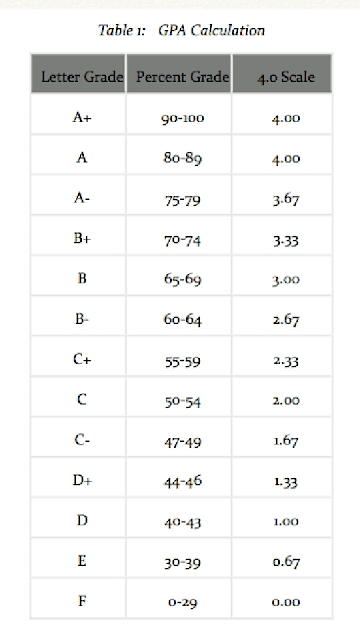
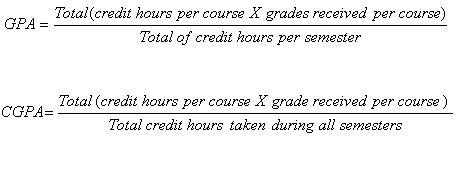
GPA refers to the calculated average of the letter grades a student earns in each semester following a 0 to 4.0 scale.
CGPA is the measurement of average grade points obtained by a student in all the semesters.
GPA Calculation
How to calculate GPA and CGPA?
Example :
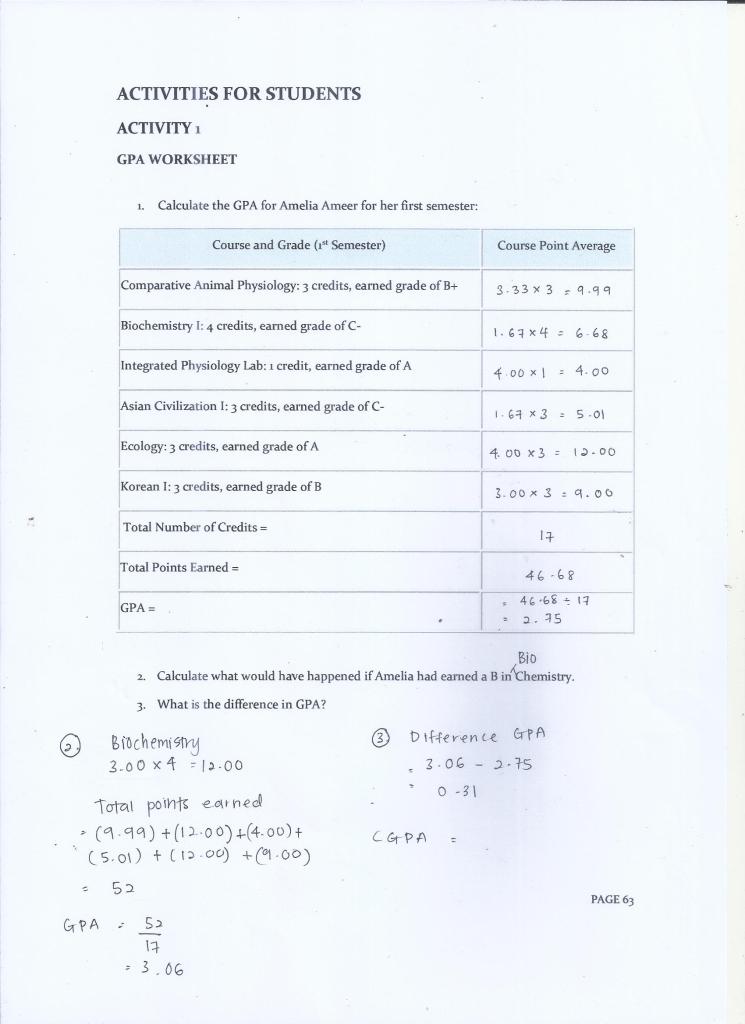
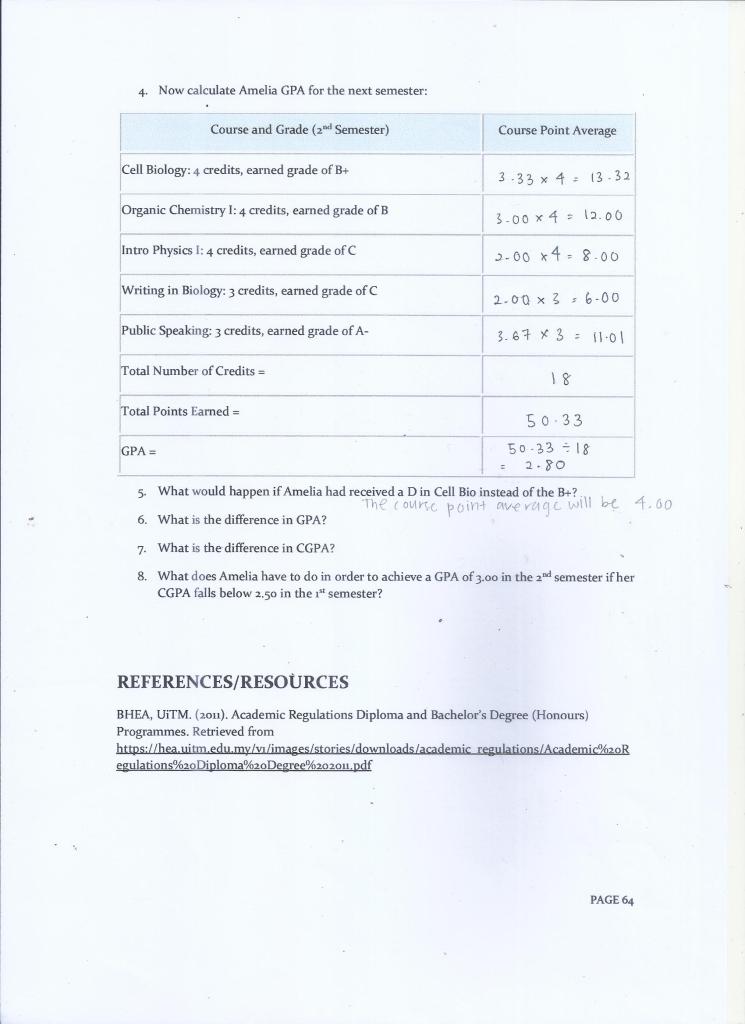
5. What would happened if Amelia had received a D in Cell Bio instead of the B+ ? Her new GPA would drop. It will be ?
ANSWER :
Total points earned
(4 × 1.00) + (4 × 3.00) + (4 × 2.00) + (3 × 2.00) + (3 × 3.67) = 53.01
Total number of credits
( 4 + 4 + 4 + 3 + 3 ) = 18
GPA
53.01/18
= 2.95
6. What difference in GPA ?
ANSWER :
( 2.80 – 2.95 ) = -0.15
7. What difference in CGPA ?
ANSWER :
SEMESTER 1
46.68/17
= 2.75
SEMESTER 2
46.68 + 50.33/(17+18)
= 2.77
DIFFERENCE IN CGPA
( 2.75 – 2. 77 ) = -0.02 #
8. What does Amelia have to do in order achieve a CGPA of 3.00 in the second semester if her CGPA falls below 2.5 in first semester ?
ANSWER :
Amelia need to score every subject especially such as Cell Bio, Organic Chemistry and Intro Physics, it can help Amelia result to get 3.00 and above.
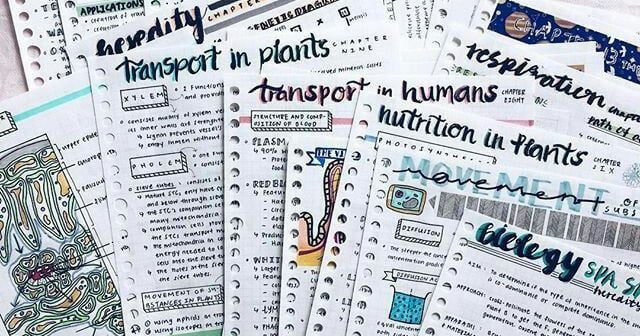
What is note taking?
Note-taking is the practice of writing down or otherwise recording key points of information.

NOTE – TAKING STRATEGIES
HOW DO WE TAKE NOTES ?
– Main ideas – Supports – Examples
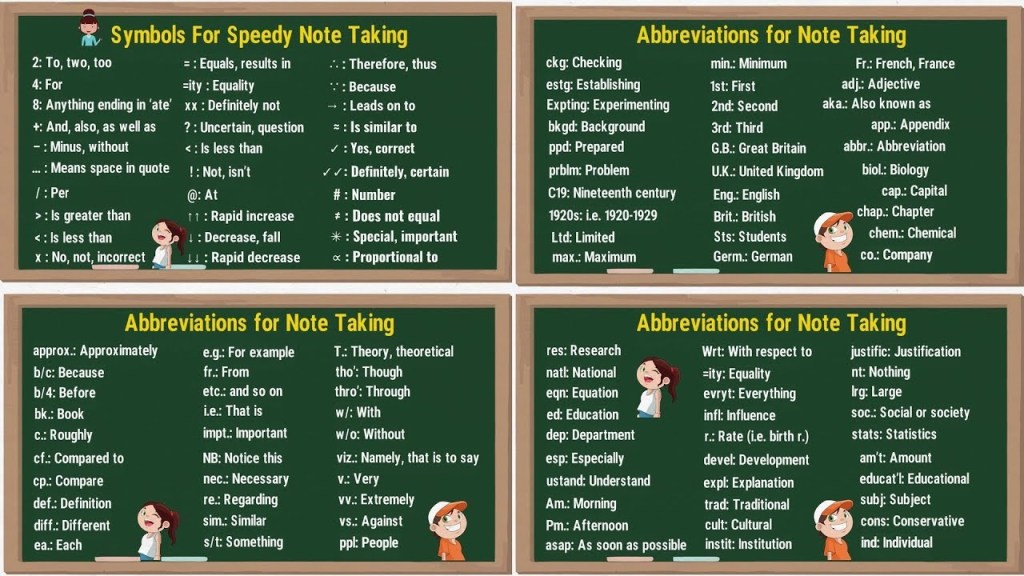
How do we prepare for class :-
1. Preview previous notes
2. Plan on listening 90% of the time
3. Write the date at the top of your paper for notes
4. Leave spaces between the lines so that you can add information later
5. Look up keywords prior to class
6. Review syllabus
7. Do pre-reading and homework
8 Ways To Take Better Lecture Notes
WHY WE NEED TO REVIEW?
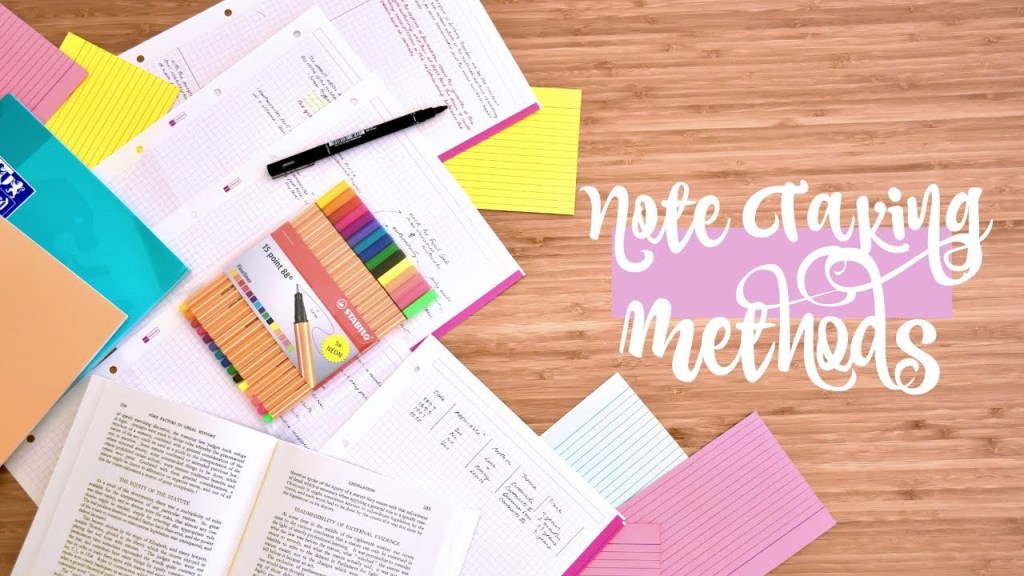
Cornell Note Taking Method
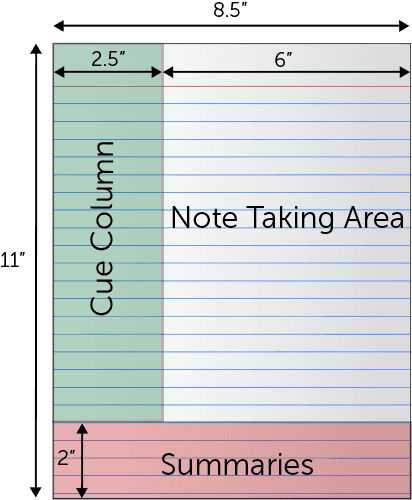

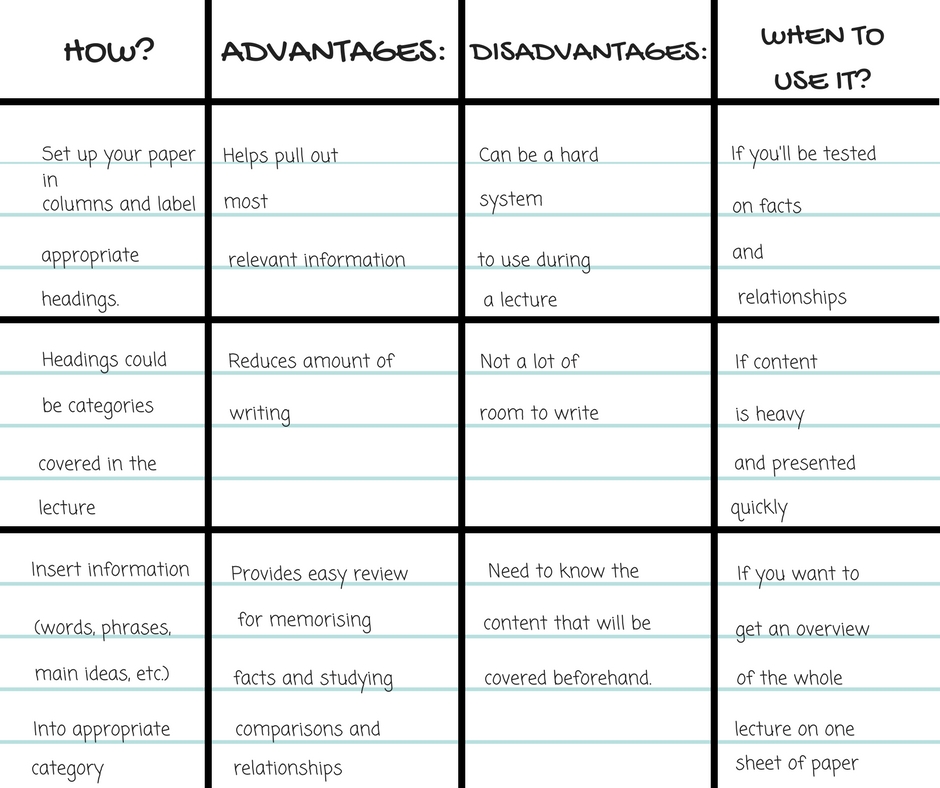
Table Note Method
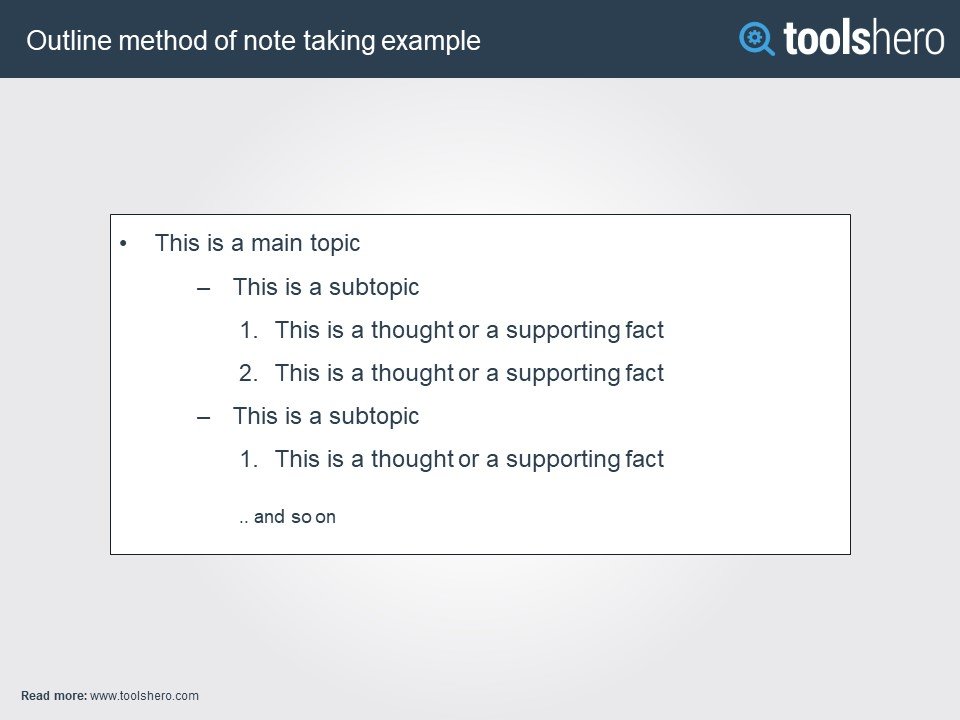
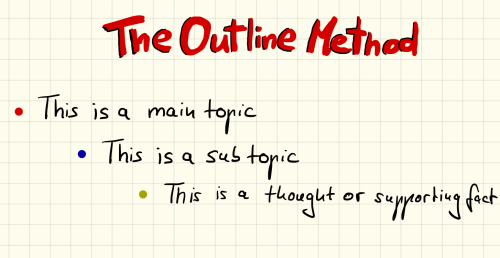
Outlining Note Method
Mapping Note Method
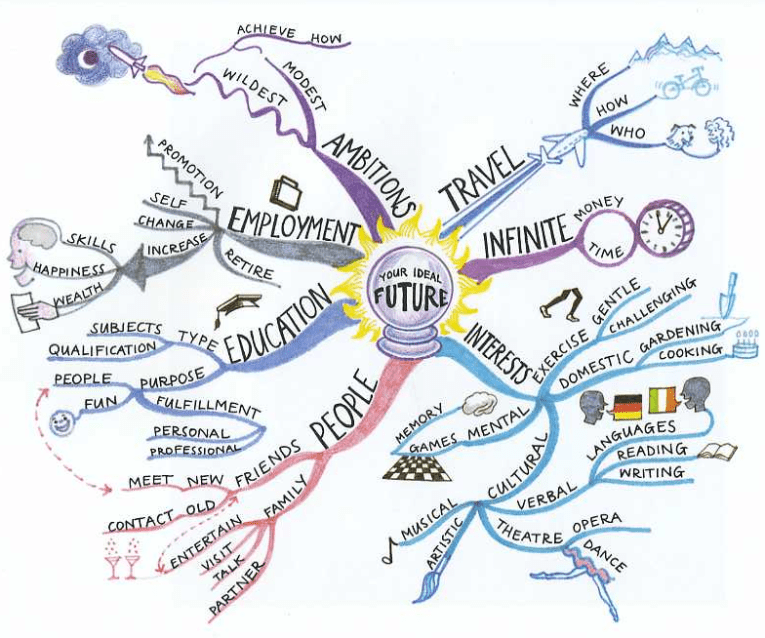
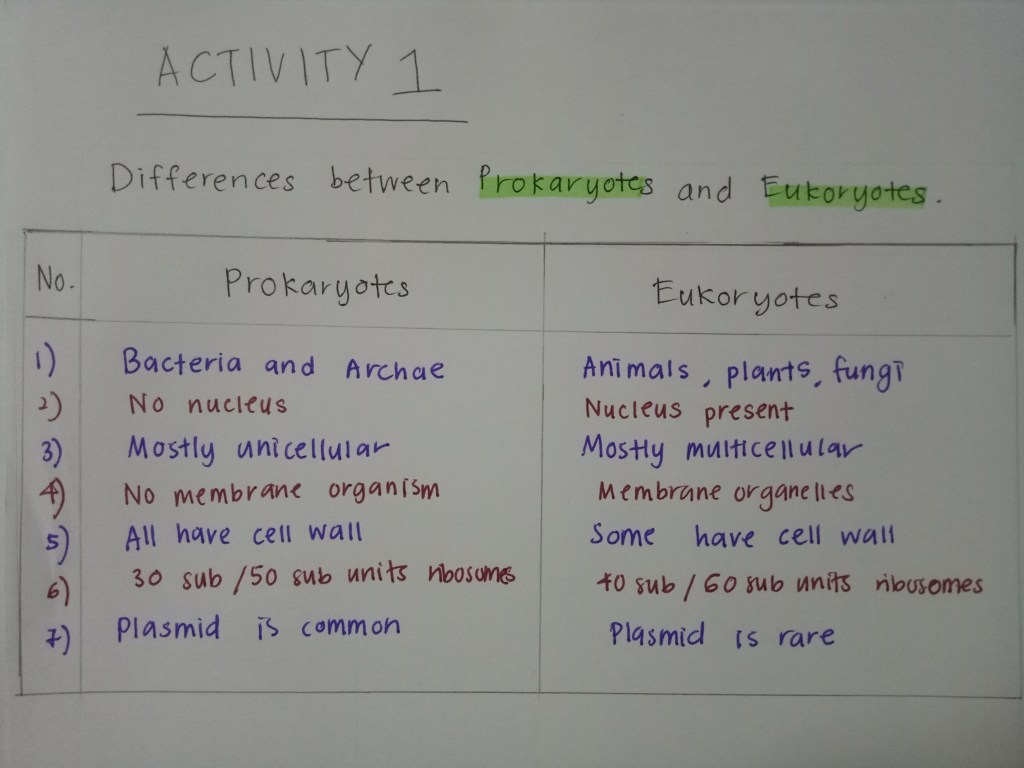
ACTIVITY 1
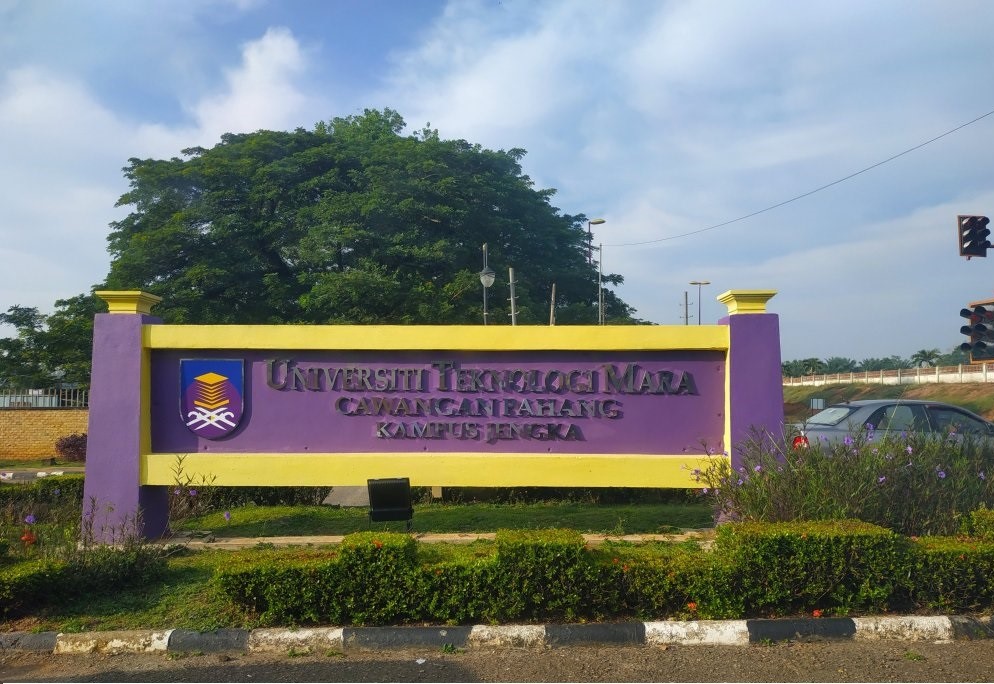
There are 3 branch of UiTM in Pahang Darul Makmur which is
this is the website of UiTM Pahang – https://pahang.uitm.edu.my/v3/
I am so blessed to be here as one of student in UiTM Kampus Jengka. These are the section has been divided in my campus :
| RESOURCES | EXAMPLES | UITM PAHANG KAMPUS JENGKA |
| ACADEMIC, TECHNOLOGY, REGISTRAR | LIBRARY, COMPUTER LAB | LIBRARY AL BUKHARI 1 & 2, HEA, INFRA SCIENCE TECH, AR-RAZI |
| HOUSING, DINING, TRANSPORTATION | BUSES | KOLEJ DATO BAHAMAN, KOLEJ TOK GAJAH, KOLEJ MAT KILAU 1 & 2, KOLEJ TUN TEJA, MEDAN SELERA, UNIT KENDERAAN |
| STUDENT ORGANIZATION | COURT, FACILITIES | HEP, RUGBY FIELD, STADIUM, KEM SERI GADING, UNIT SUKAN, DATARAN INTEGRITI, TENNIS COURT, PADANG A & B |
So, I would like to share with you the interesting places at UiTM Pahang Campus Jengka. Do Enjoy !
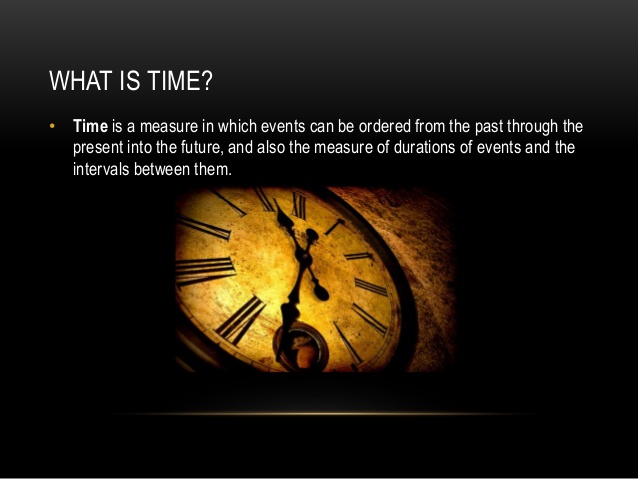
Definition of time :
Noun – the indefinite continued progress of existence and events in the past, present, and future
Verb – plan, schedule, or arrange when (something) should happen or be done
Definition of time management :
… the ability to use one’s time effectively or productively, especially at work
The Importance Of Time Management

5 Strategies ( Study System )
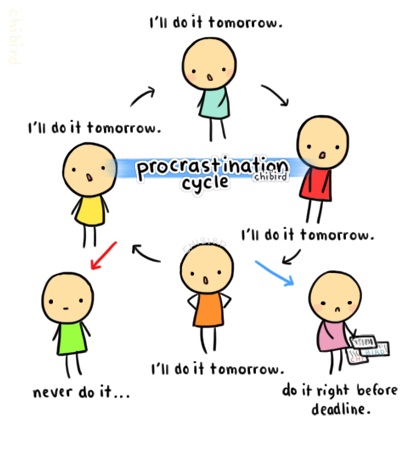
PROCRASTINATION
What is procrastination? Procrastination is the act of putting off intentionally the doing of something that should be done.
The reasons of procrastination is :
The remedy for procastination :
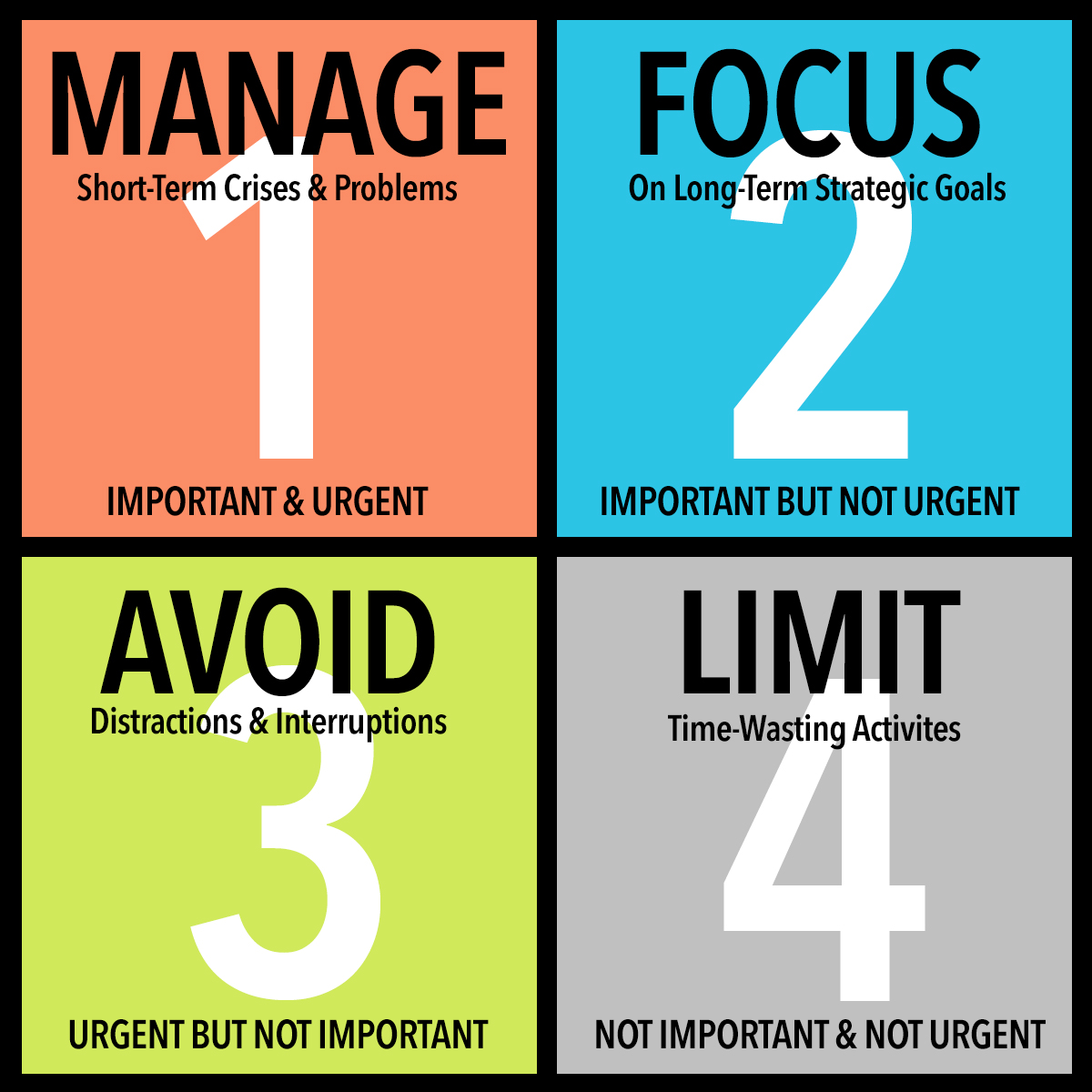
HOW to manage time ??
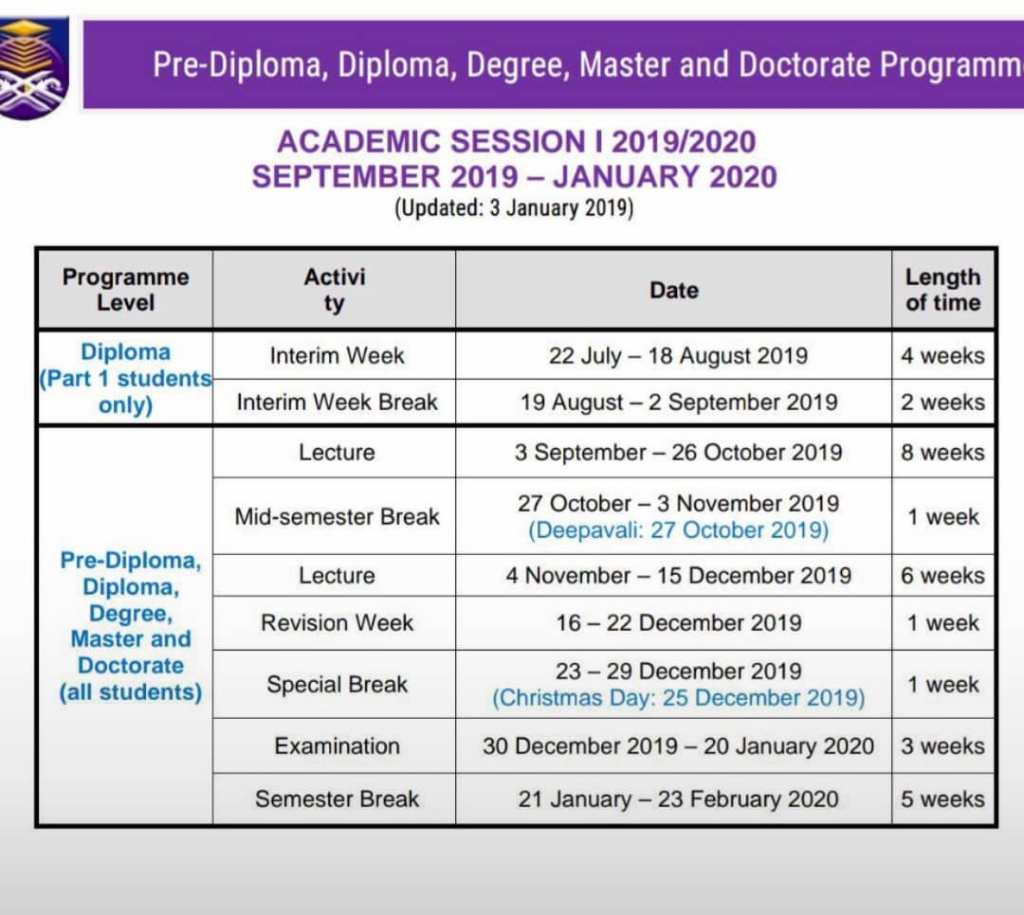
This is academic calendar session 2019-2020
Activity 1
Fixed-Commitment Calendar
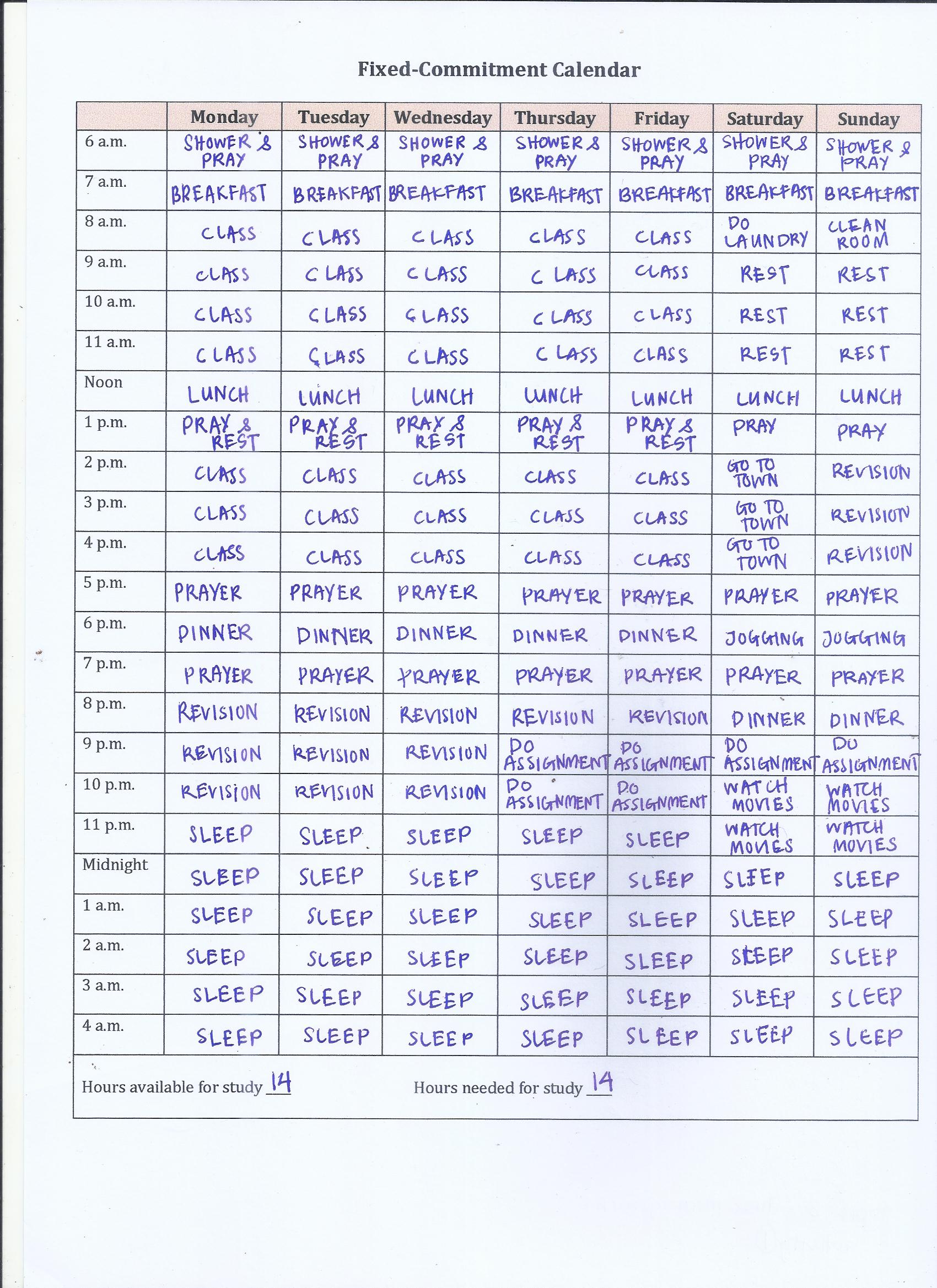
This method has the advantage of helping you exactly how you’re going to use your time That’s why it’s so important to know how to schedule your time properly.
Activity 2

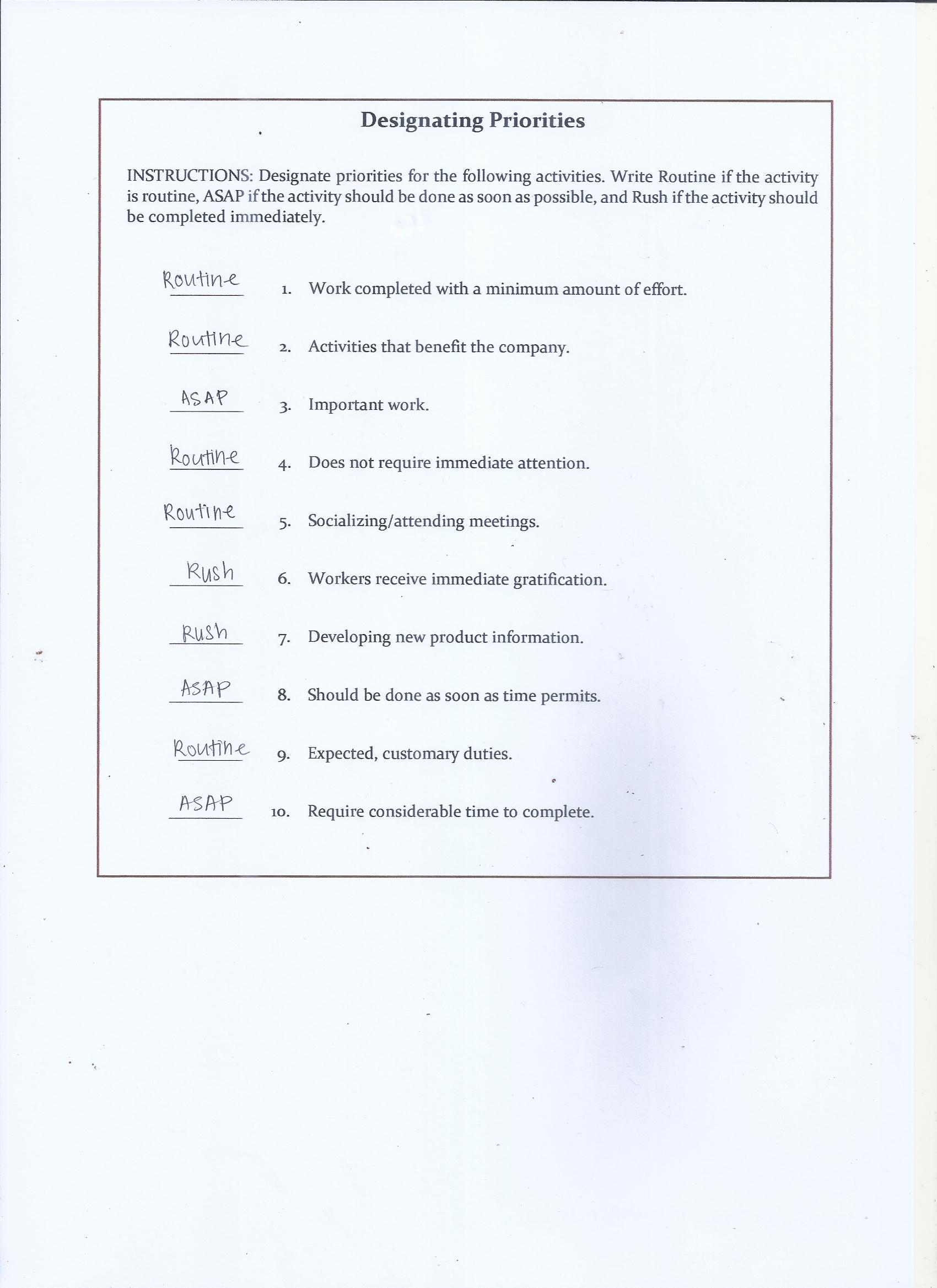
Goals are things we want to achieve. It will helps to motivate you to do work, attend classes and study for exams.
Goal setting is a process for thinking about your ideal future and for motivating yourself to turn this vision of the future into reality.

Characteristics of goals
Golden Rules of GOAL

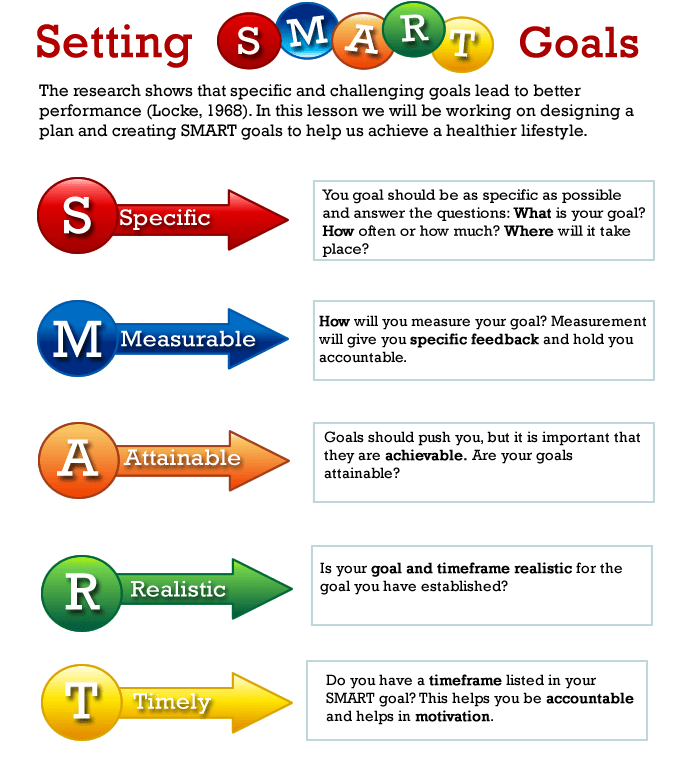
ACADEMIC AND PERSONAL GOALS
Long – and Short – Term Goals
Properly set goals can be incredibly motivating and as you get into the habit of setting and achieving goals, you will find yourself confidence build fast.
Activity 1
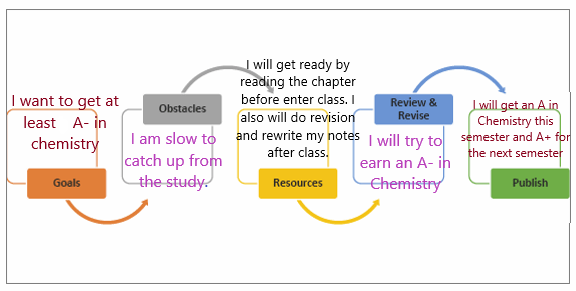
Activity 2
My goal setting :
Academic
I want to get dean’s list in every semester.
Reward : Get ANC and make my parent proud of me.
Milestones : Focus in the class, Finish and submit all the assignment on time, Do revision everyday
Personal
I want go to Bangtan Boys concert in South Korea with my bestfriends.
Reward : Get to meet my favourite idol
Milestones : Save money, Learn Korean Language
Motivational quotes :
” Only I can change my life. No one can do it for me ” – Carol Burnett

Freshman year of university is one of exciting periods in a person’s life. It is a time of getting new friends and start a new life but we need to realize it will also comes with new responsibilities and experiences. Be positive all the time and you will enjoy life as a student happily.
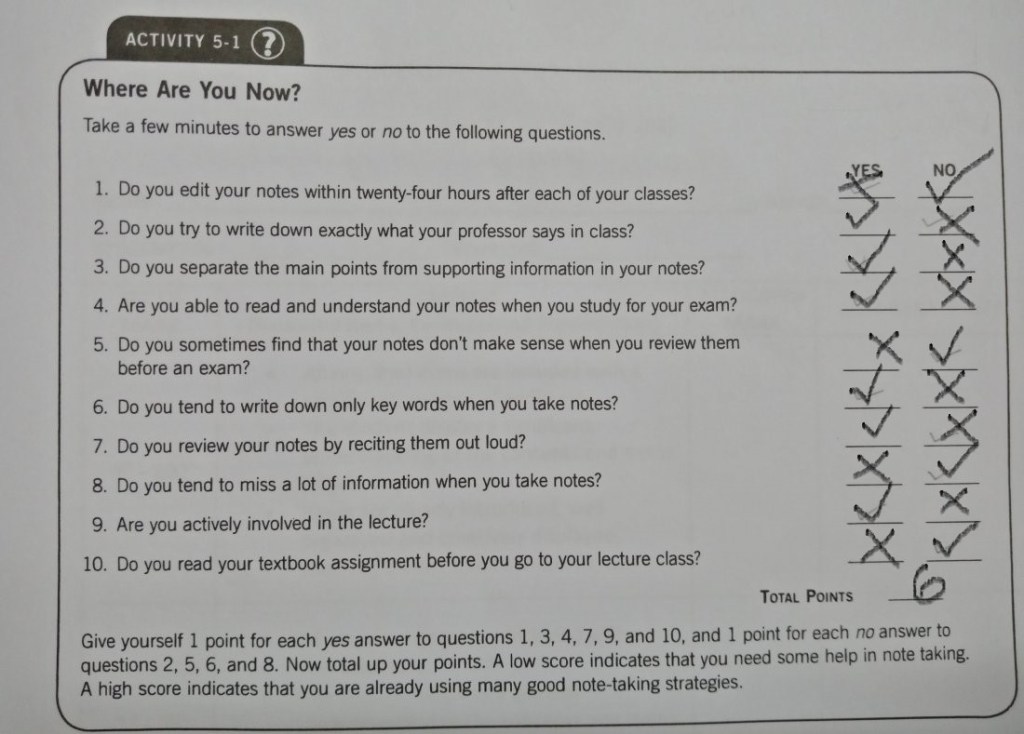
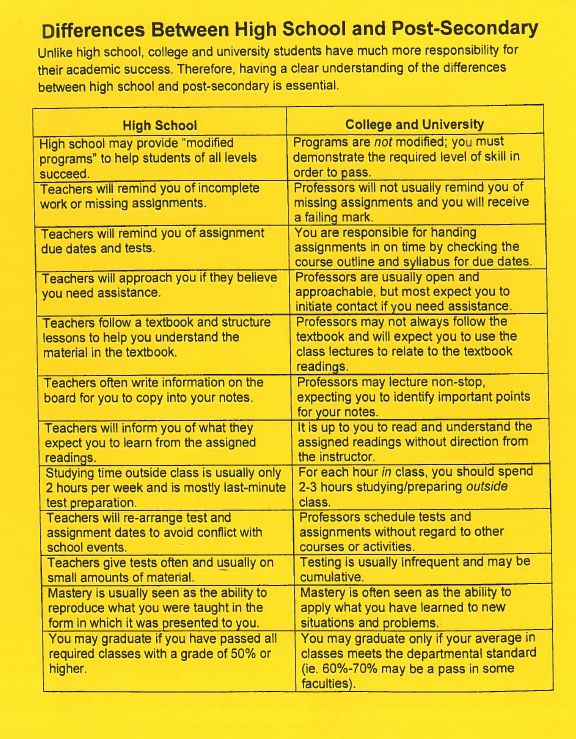
Difference between high school & college
Characteristics of successful students
8 steps to university success
# Attend all class because most of the test questions will come from lectures.
# Become an active learner because we must write and recite the information to get it into long-term memory.
# Participate in class because you will feel more actively involved in the learning process.
# Get to know your lecturers because we should know who our lecturers especially their names as students
# Forms study groups with friends because study groups of about 3-4 people are known to be very effective
# Stay up to date with your work because want to avoid chaotic from workload.
# Be receptive to change because better to do some change for good performance such as make study strategies
# Work hard every semester because success is no accident. We must work smart to something that we want to archive.
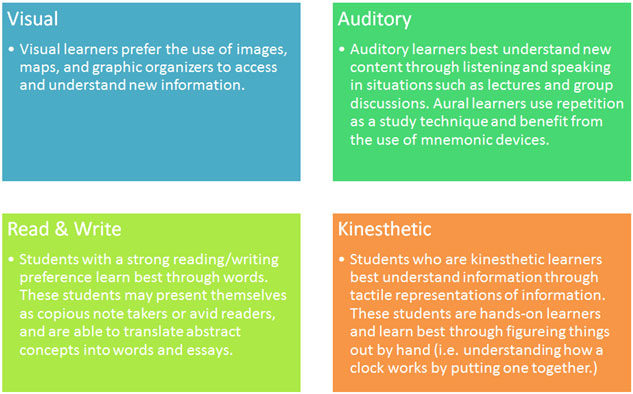
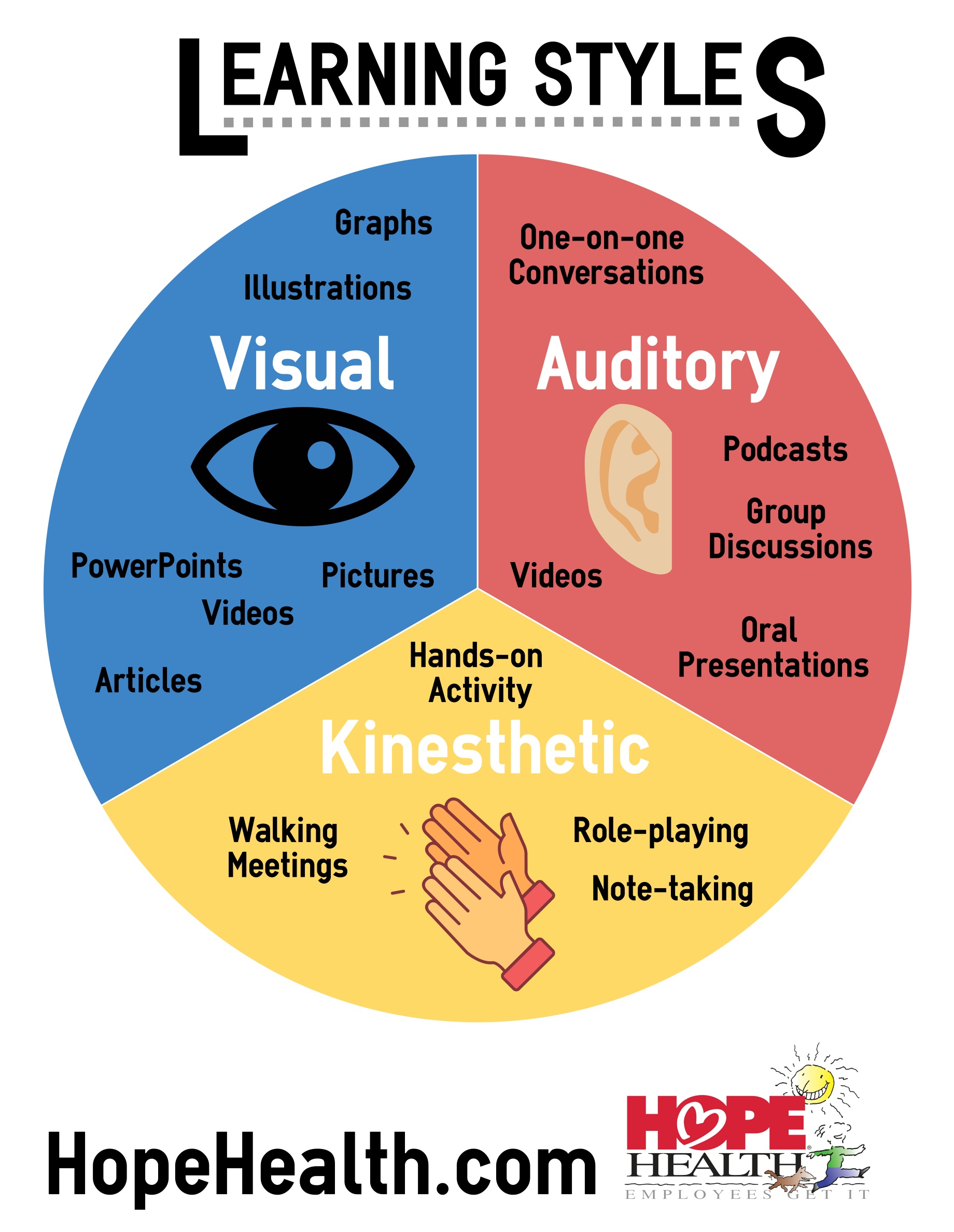
Learning Styles
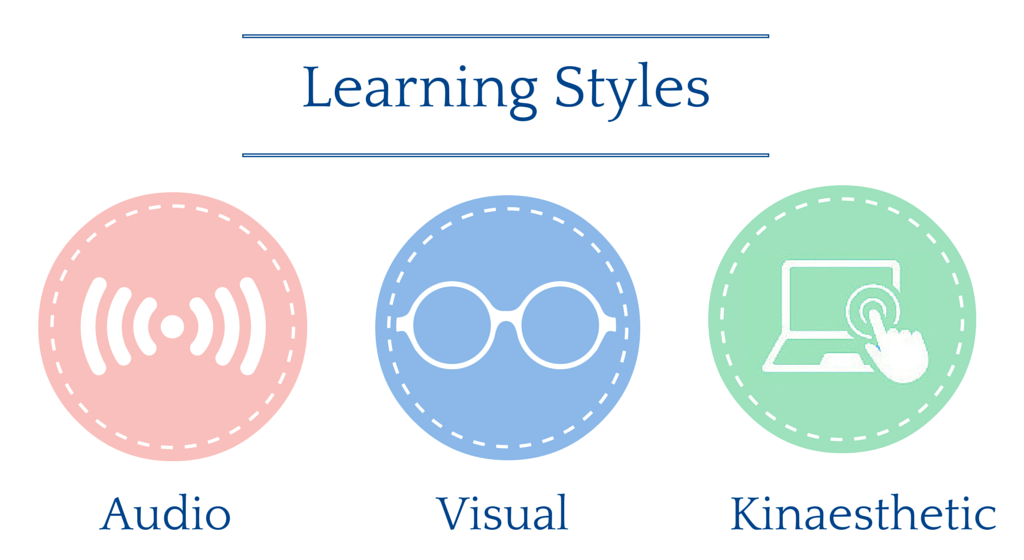
ACTIVITY 1
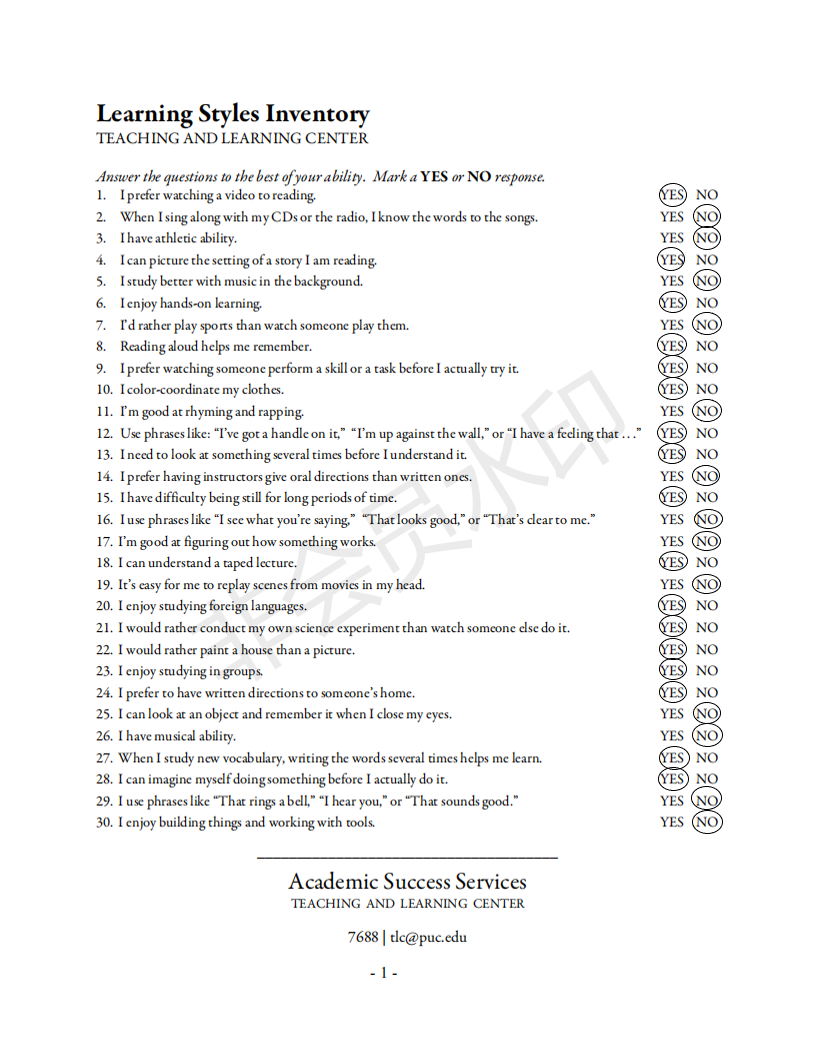
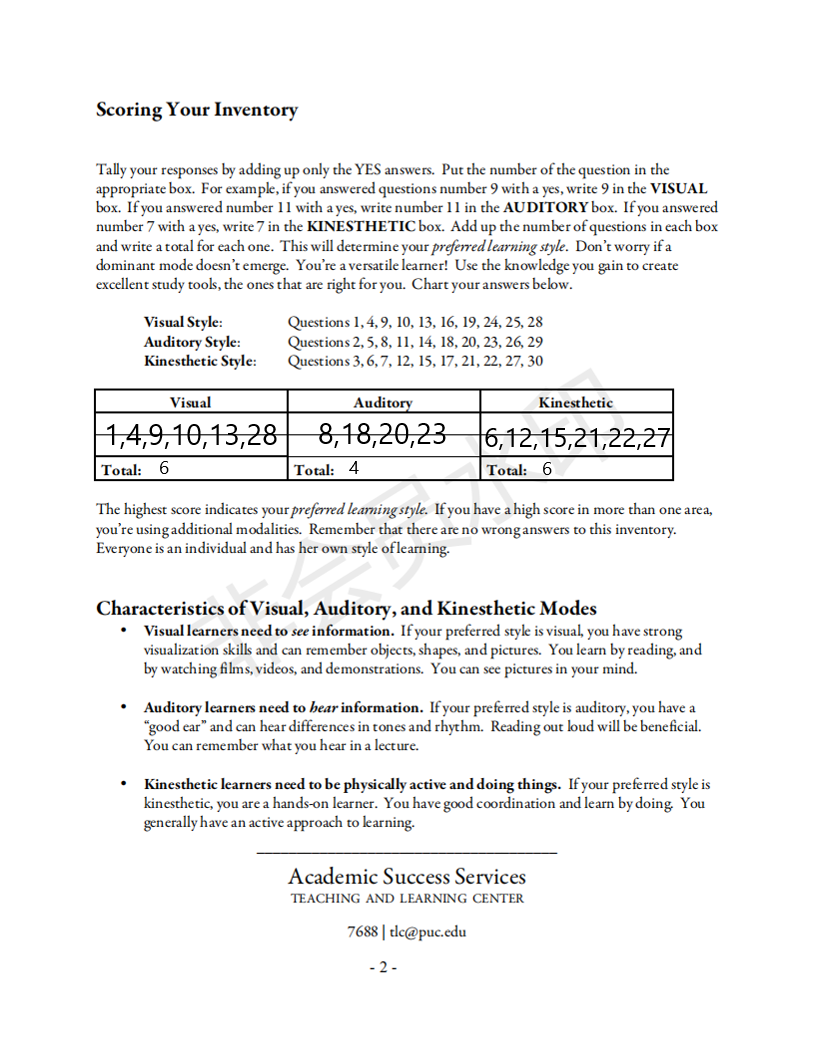
As for me, im more to visual learner. My way of learning more to visual style.
Here are some strategies:
create mind maps, flow charts and diagrams using bright colours. Put them where you can view them frequently.
practice building your visual memory.
rewrite your notes using different colours.
use your hand. Cut up charts and diagrams. Create flash cards and move them around with large, sweeping movements.
walk and talk the information. Recite as you move.
type on a computer keyboard. You are using your muscle memory.
after you read a page in your textbook, summarize the information out loud in your own words.
tape your instructor’s lecture,and if you are a commuter,listen to the tape on the way home, either in your car, or on the bus or subway.
discuss the material that you have been learning with a friend or study group.
Last but not least my additional ways that I usually use when I study :
What is memory ?
Memory is our ability to encode, store, retain and subsequently recall information and past experiences in the human brain.
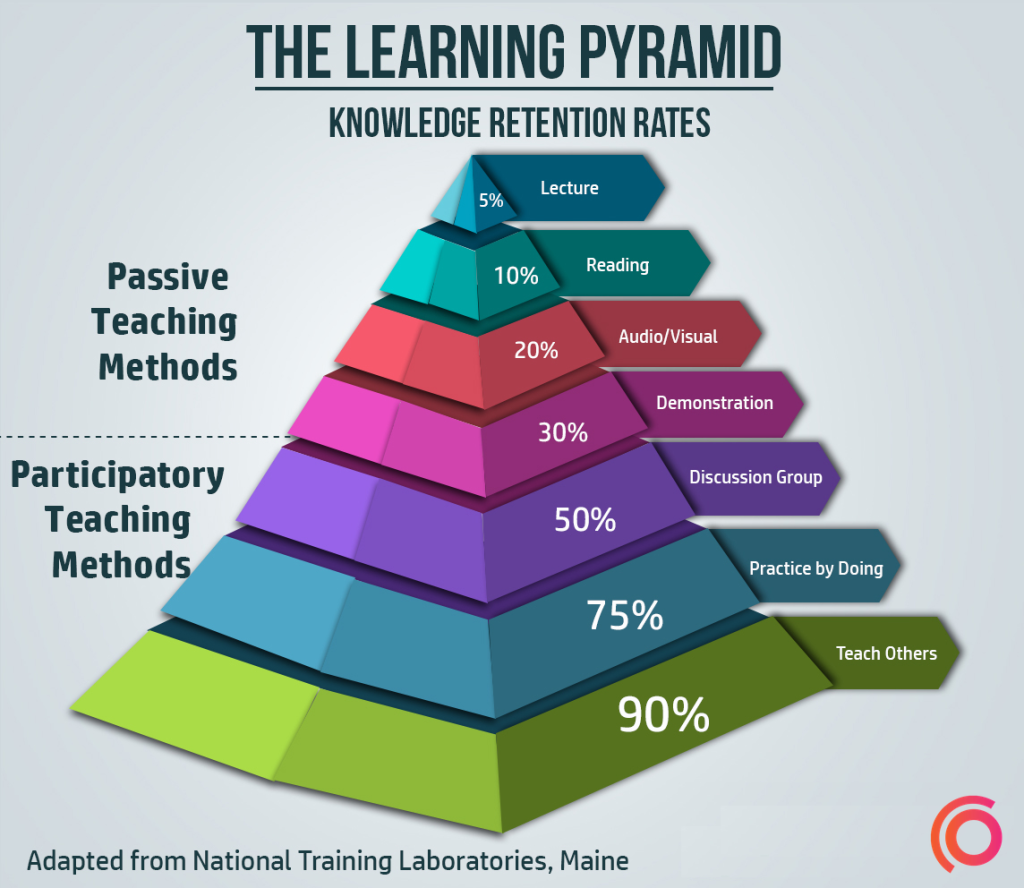
3 types of memory :
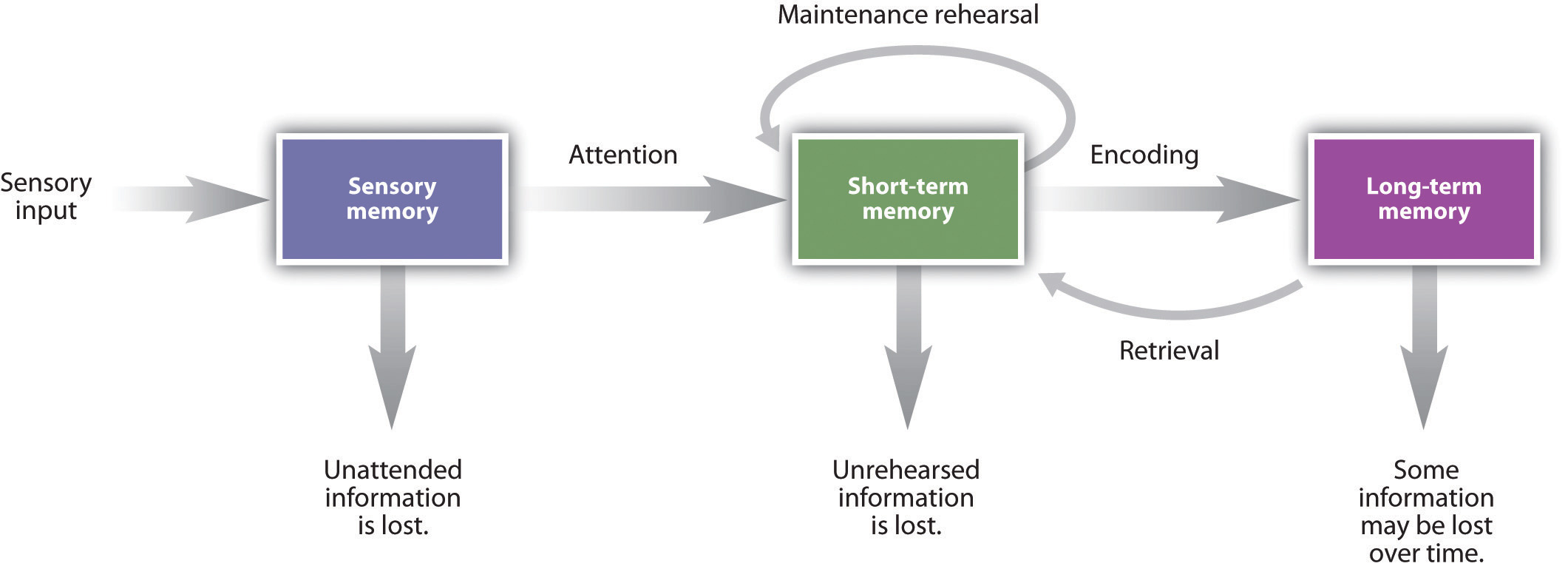
Short-term memory (STM) is the place where small amounts of information can be temporarily kept for more than a few seconds but usually for less than one minute (Baddeley, Vallar, & Shallice, 1990).
Sensory memory is a memory buffer that lasts only very briefly and then, unless it is attended to and passed on for more processing, is forgotten.
Long-term memory (LTM), memory storage that can hold information for days, months, and years. The capacity of long-term memory is large, and there is no known limit to what we can remember (Wang, Liu, & Wang, 2003).
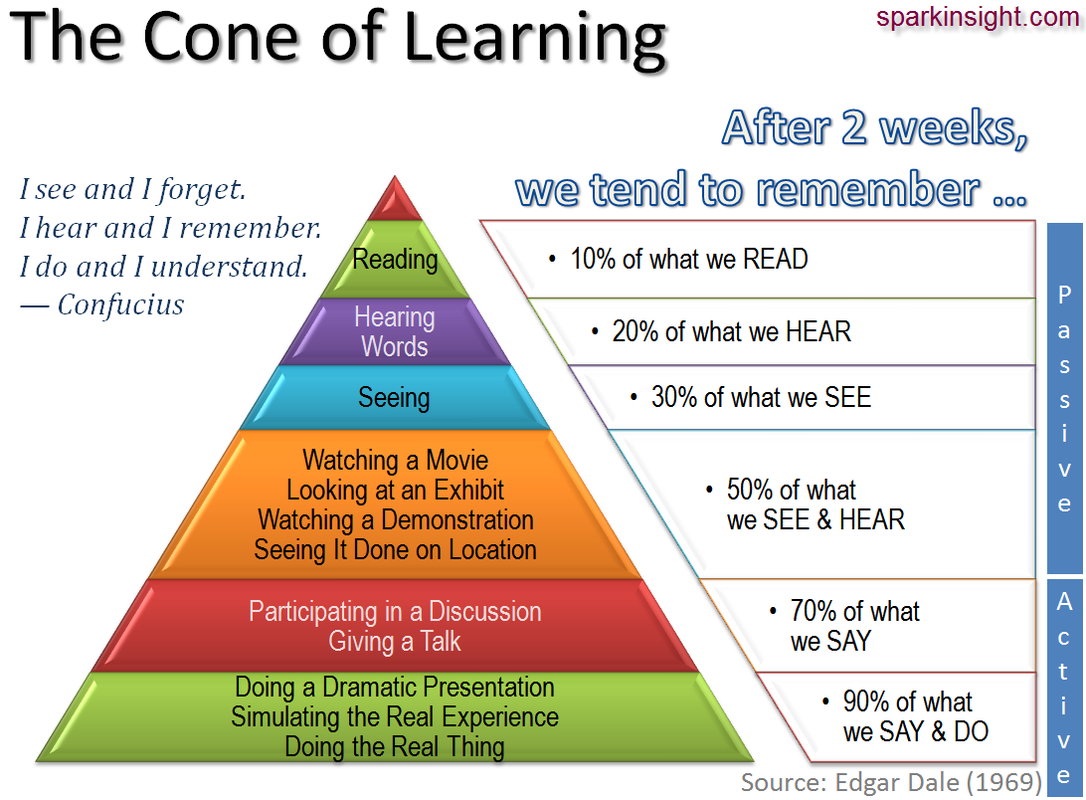
Memory Strategy
HOW FORGETTING COULD OCCUR

✘ Did not pay attention to the information
✘ Did not understand the information
✘ Cramming (last minute study)
✘ Did not have good strategies
✘ Interference (having 2 exams on the same day especially if the subjects are closely related for example psychology and counselling)
✘ Test anxiety (negative thoughts about oneself, did not prepare well for the test)
Causes of poor concentration
1. Lack of attention
2. Lack of interest
3. Lack of motivation
4. Distraction from others
5. Uncomfortable environment
6. Physiological matters – illness, tiredness 7. Psychological matters – personal problems, worries, anxieties
Strategies for improving concentration
HOW TO STUDY STRATEGIC WITH ( SQ3R )

SQ3R helps students “get it” the first time they read a text by teaching students how to read and think like an effective reader.
I) SURVEY – see the whole topic and subtopic before lecturer start the lesson
II) QUESTION – ask a question from the topic and try to think of it
III) READ – read it and try to answer your question
IV) RECITE
V) REVIEW – see the notes back
ACTIVITY 1
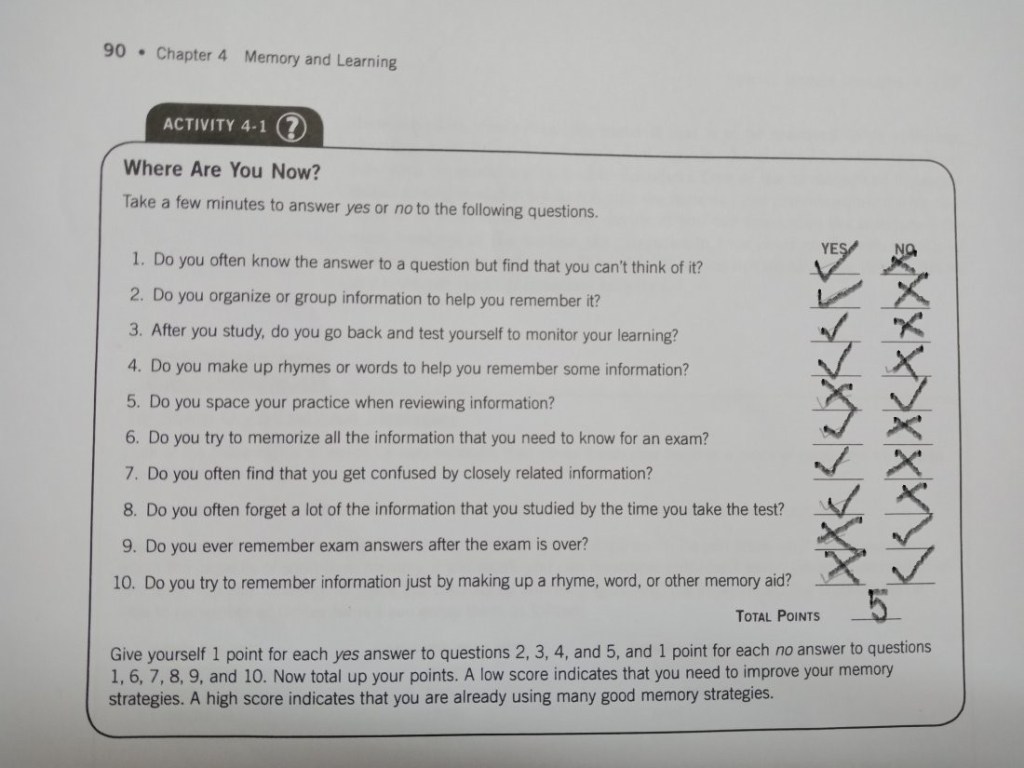
ACTIVITY 2
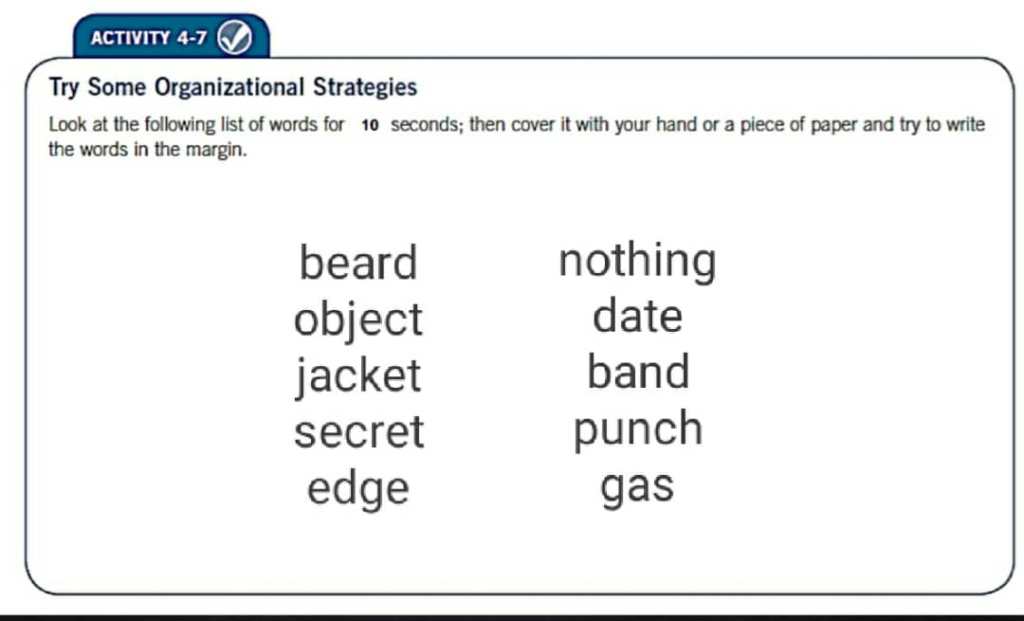
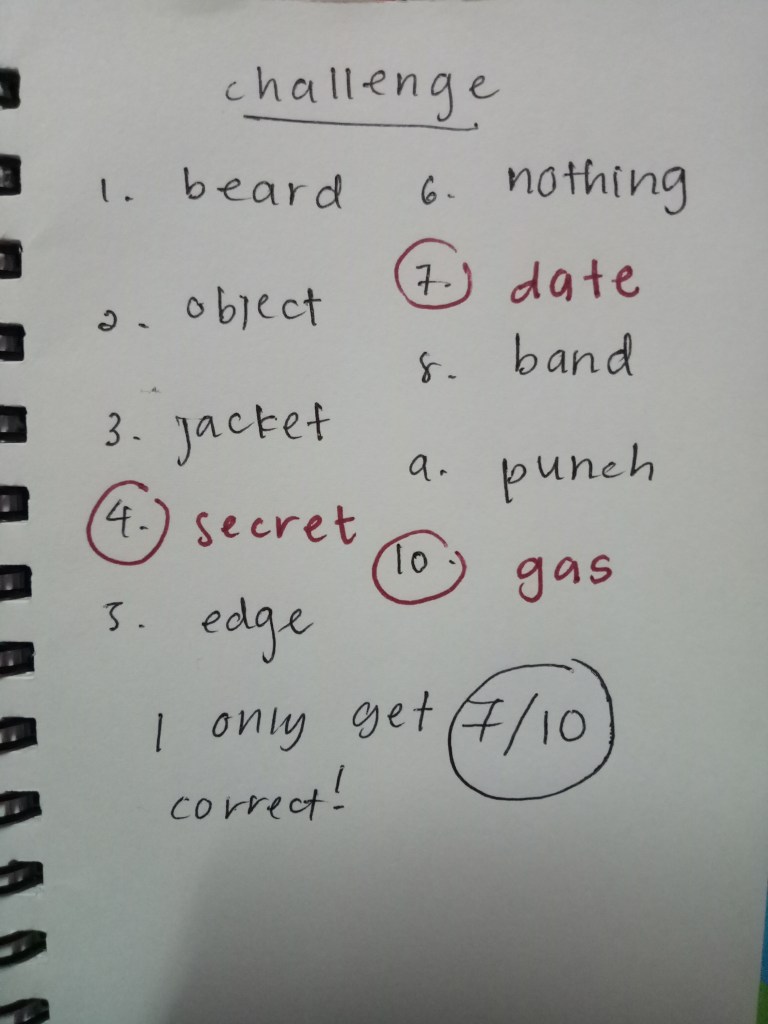
ACTIVITY 3
Hello and Assalamualaikum everyone! 💖👋
So let me introduce myself. My name is Nur Fatihah Binti Hafzainizam. I am 18 years old student who currently study at UiTM Pahang Campus Jengka. I am student part 1 of Diploma in Science in Faculty of Applied Science.

The purpose of creating this wordpress to share about what have i learned in study skills slot during interim week. It is also an assignment that have been given by lectures as it will be part of my mark in this subject. I will present some notes and assessment in order to complete my portfolio.

A big thanks to the lecturers who teach us subject UED 102 study skills:

So this UED 102 study skills prepares students with learning skills essential for varsity life. The syllabus content :


 FATIHAH'S e-PORTFOLIO UED 102
