What is memory ?
Memory is our ability to encode, store, retain and subsequently recall information and past experiences in the human brain.
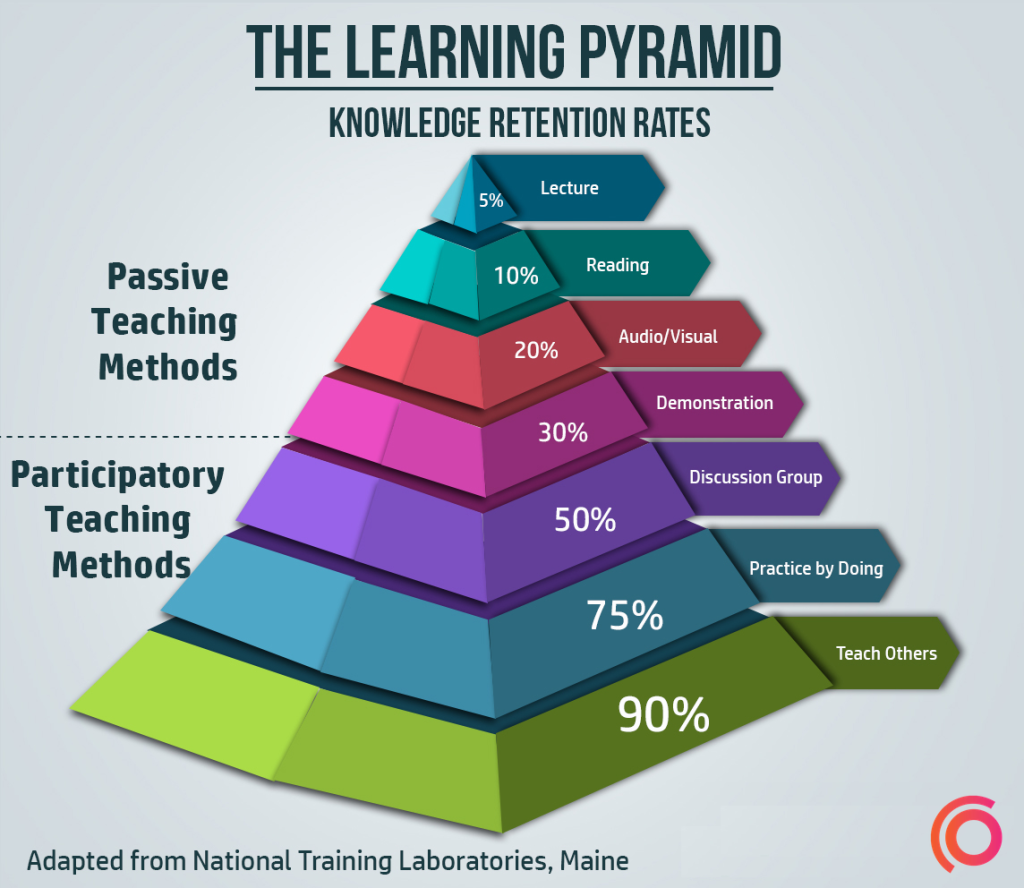
3 types of memory :
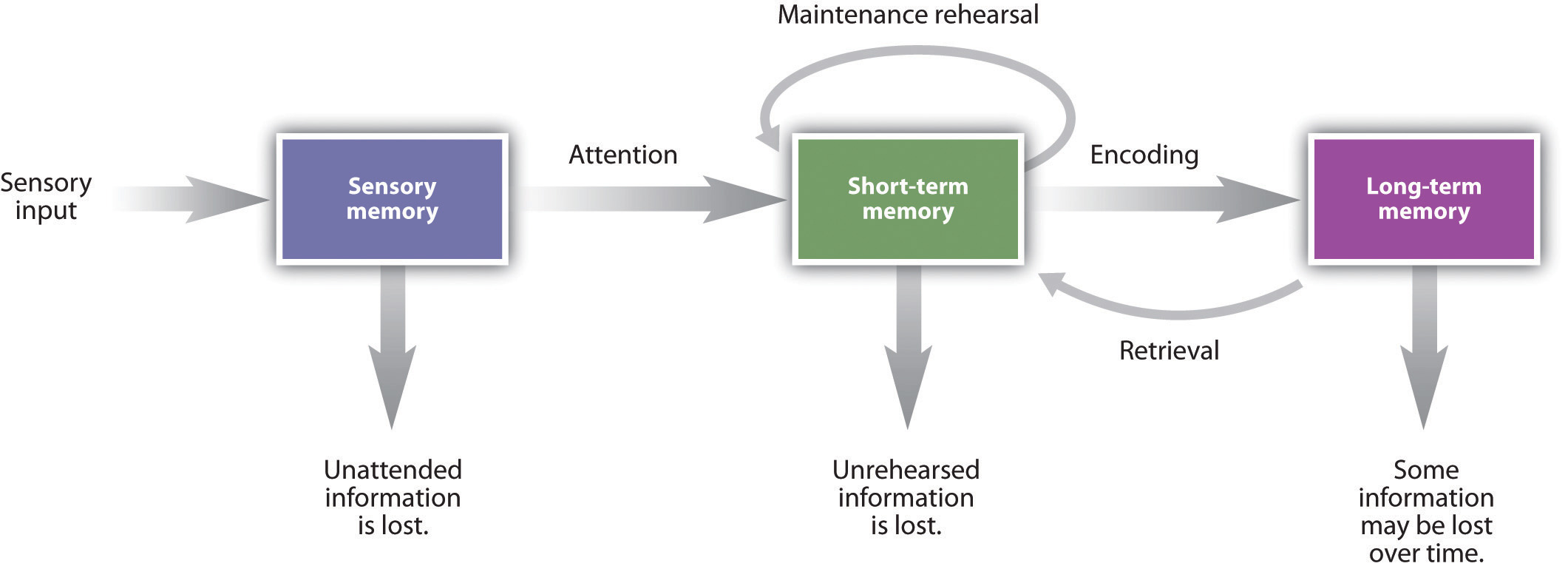
Short-term memory (STM) is the place where small amounts of information can be temporarily kept for more than a few seconds but usually for less than one minute (Baddeley, Vallar, & Shallice, 1990).
Sensory memory is a memory buffer that lasts only very briefly and then, unless it is attended to and passed on for more processing, is forgotten.
Long-term memory (LTM), memory storage that can hold information for days, months, and years. The capacity of long-term memory is large, and there is no known limit to what we can remember (Wang, Liu, & Wang, 2003).
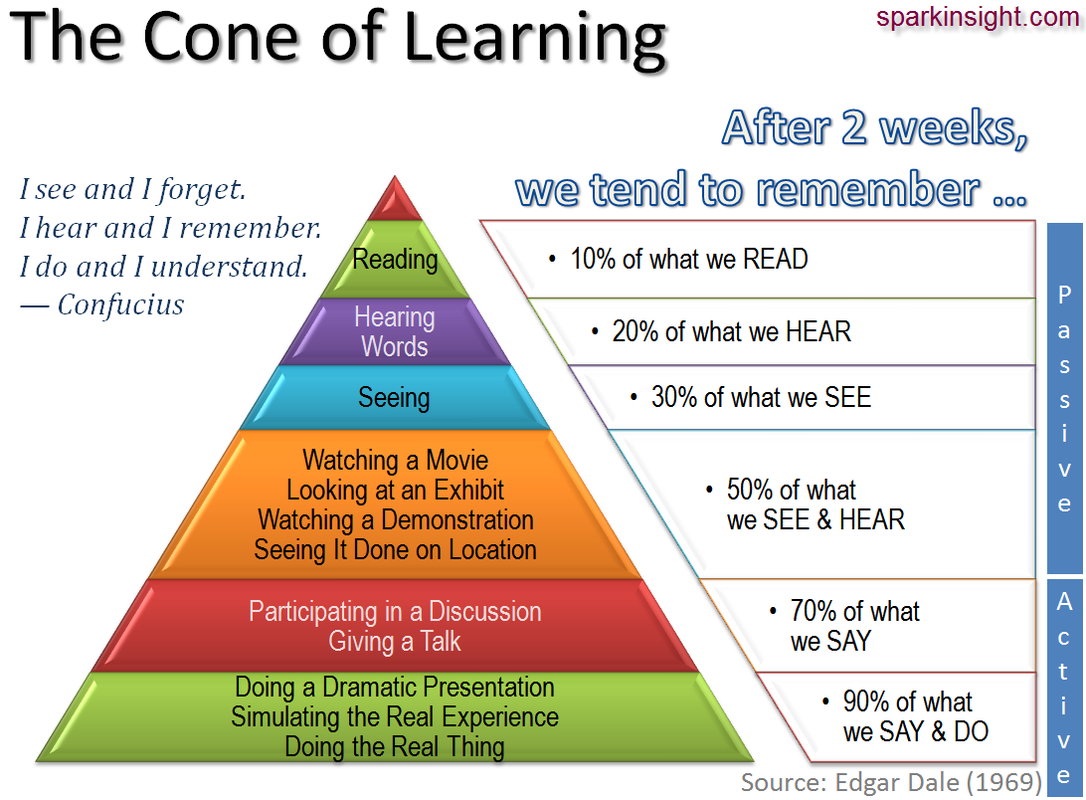
Memory Strategy
- Memory strategies will help students in their encoding, storing, and retrieving the information (help to remember and recall).
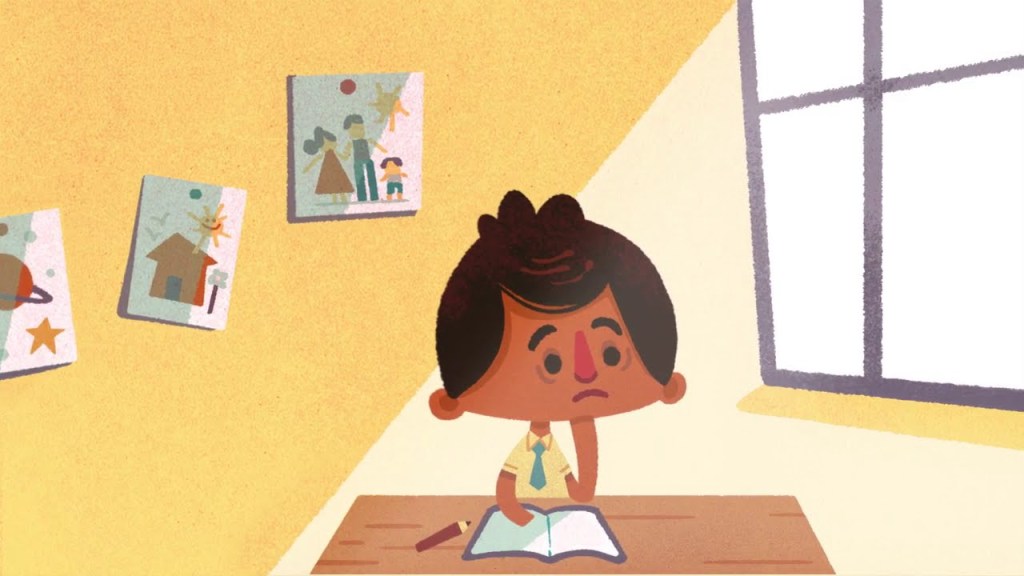
HOW FORGETTING COULD OCCUR
✘ Did not pay attention to the information
✘ Did not understand the information
✘ Cramming (last minute study)
✘ Did not have good strategies
✘ Interference (having 2 exams on the same day especially if the subjects are closely related for example psychology and counselling)
✘ Test anxiety (negative thoughts about oneself, did not prepare well for the test)
Causes of poor concentration
1. Lack of attention
2. Lack of interest
3. Lack of motivation
4. Distraction from others
5. Uncomfortable environment
6. Physiological matters – illness, tiredness 7. Psychological matters – personal problems, worries, anxieties
Strategies for improving concentration
- Use motivational and organizational strategies create interest in work
- Create a positive learning environment such as find a better location
- Deal with internal distraction such as problem
- Use active learning strategies (as discussed in improving memory)
- Match your learning style to the task
- Monitor your concentration
HOW TO STUDY STRATEGIC WITH ( SQ3R )

SQ3R helps students “get it” the first time they read a text by teaching students how to read and think like an effective reader.
I) SURVEY – see the whole topic and subtopic before lecturer start the lesson
II) QUESTION – ask a question from the topic and try to think of it
III) READ – read it and try to answer your question
IV) RECITE
- make it simpler
- do a small notes
- memorize important things
- exercise
V) REVIEW – see the notes back
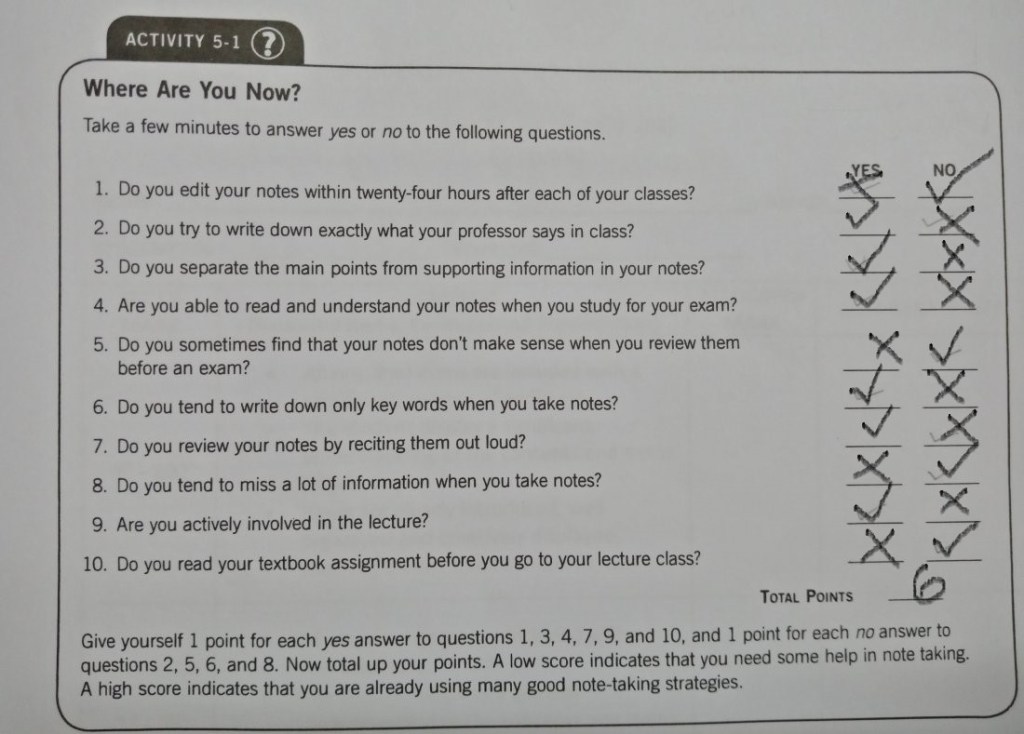
ACTIVITY 1
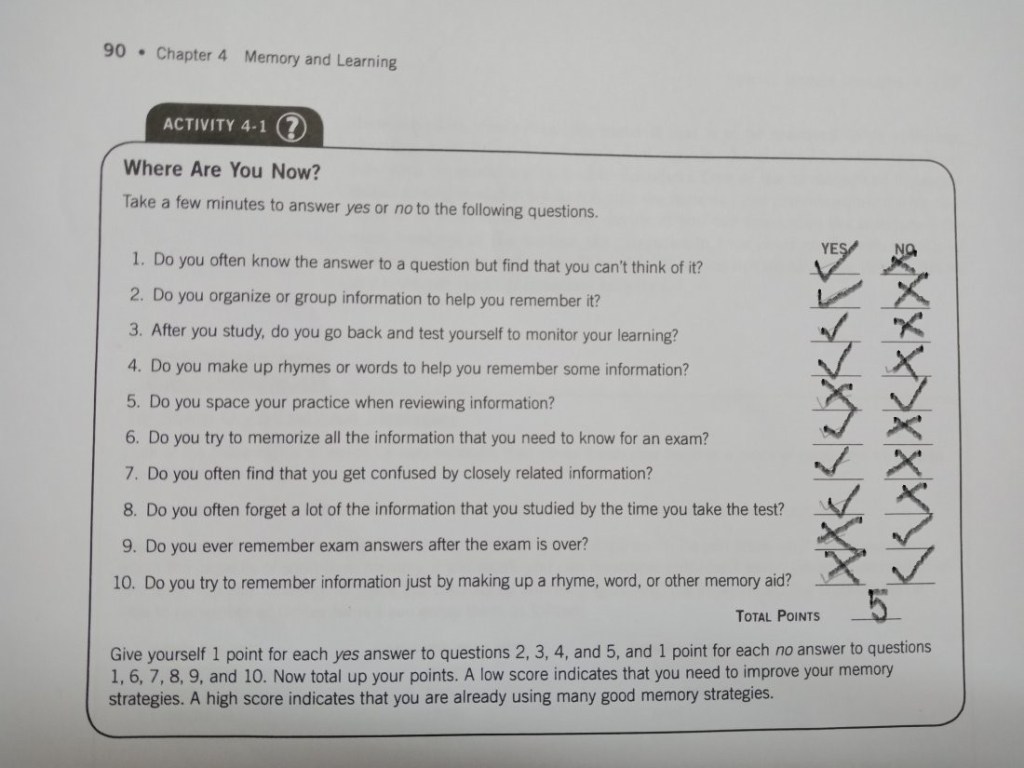
ACTIVITY 2
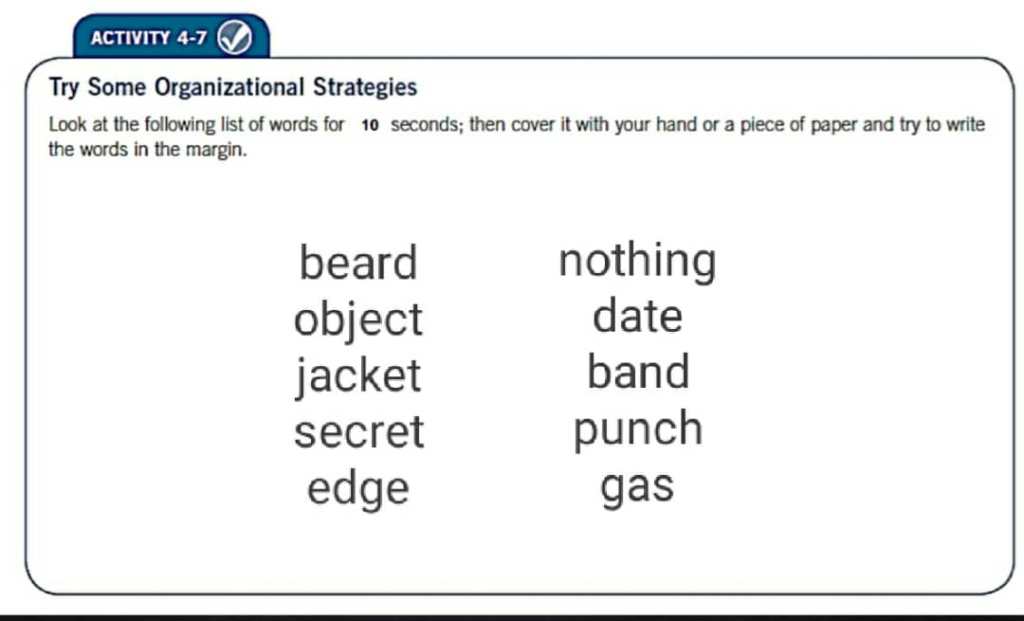
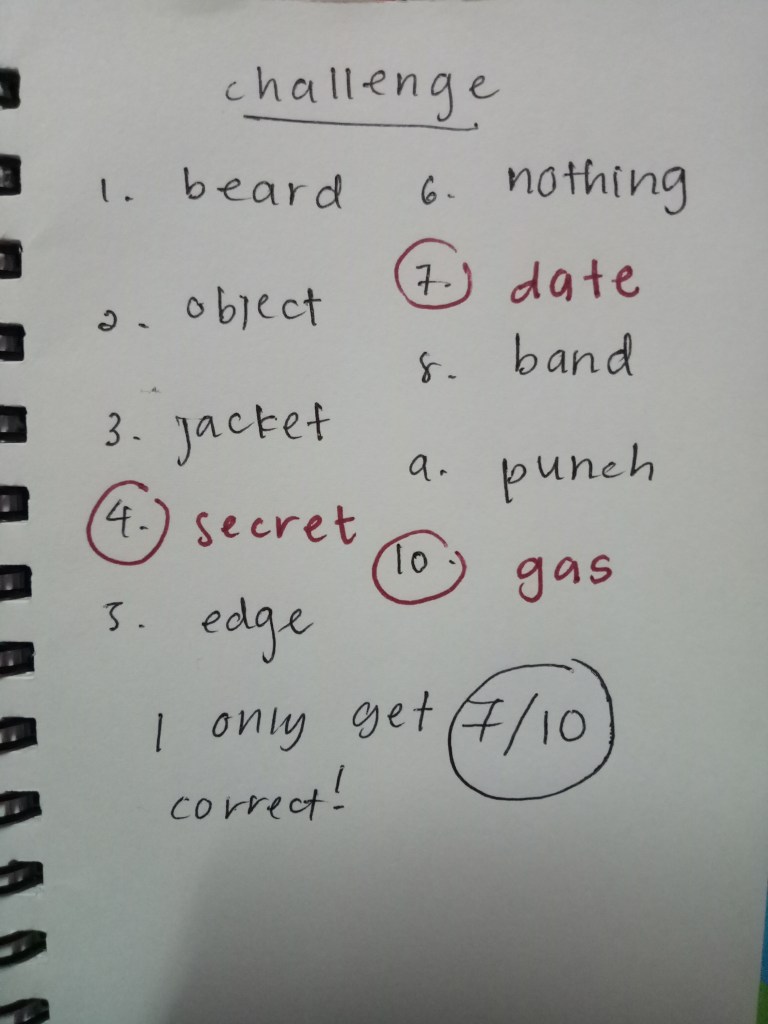
ACTIVITY 3
 FATIHAH'S e-PORTFOLIO UED 102